
Face
A Whole-Face Approach to Aesthetic Care
Most people come in with one thing that bothers them, a line, a shadow, a patch of pigment. But the face ages in layers. Bone and fat pads shrink, which creates hollows and folds. Muscles pull the same creases into the skin thousands of times a day. Collagen thins, so skin loosens and texture roughens. Sun leaves pigment and broken vessels behind.
Treating only the surface when the problem is structural, or adding volume when the real issue is laxity, gives results that don't quite look right. That's why a facial consultation at Swãe starts with looking at all of it. We'll tell you which layer is driving what you see, which treatment addresses it, and in what order to do things if more than one is involved. Often the answer is less than you expected.

Services That Treat the Face
The treatments below cover the full range of facial concerns, from expression lines and rough texture to pigmentation and sagging. Several are often combined, and your provider will help you decide which ones apply to you and how to space them. Each service page explains what the treatment does, what an appointment involves and what to expect afterward.
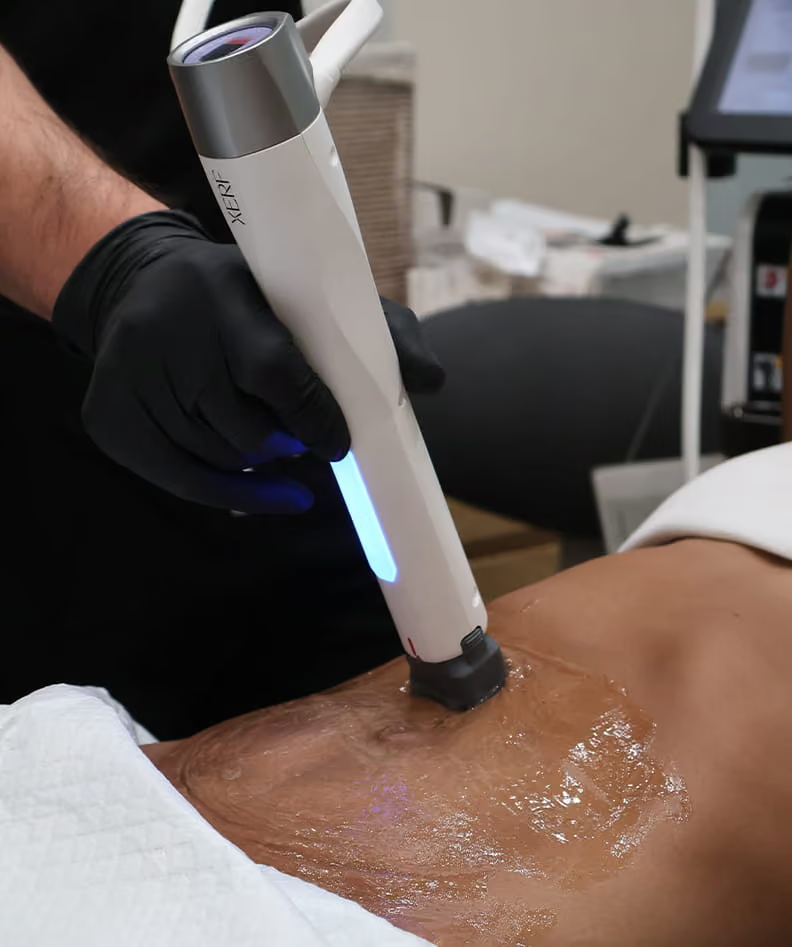
XERF Skin Tightening
Skin tightening uses radiofrequency or ultrasound energy to heat the deeper layers of skin, prompting your body to build new collagen. Over the following months, skin along the jawline, neck, eyes and body becomes firmer and more lifted.
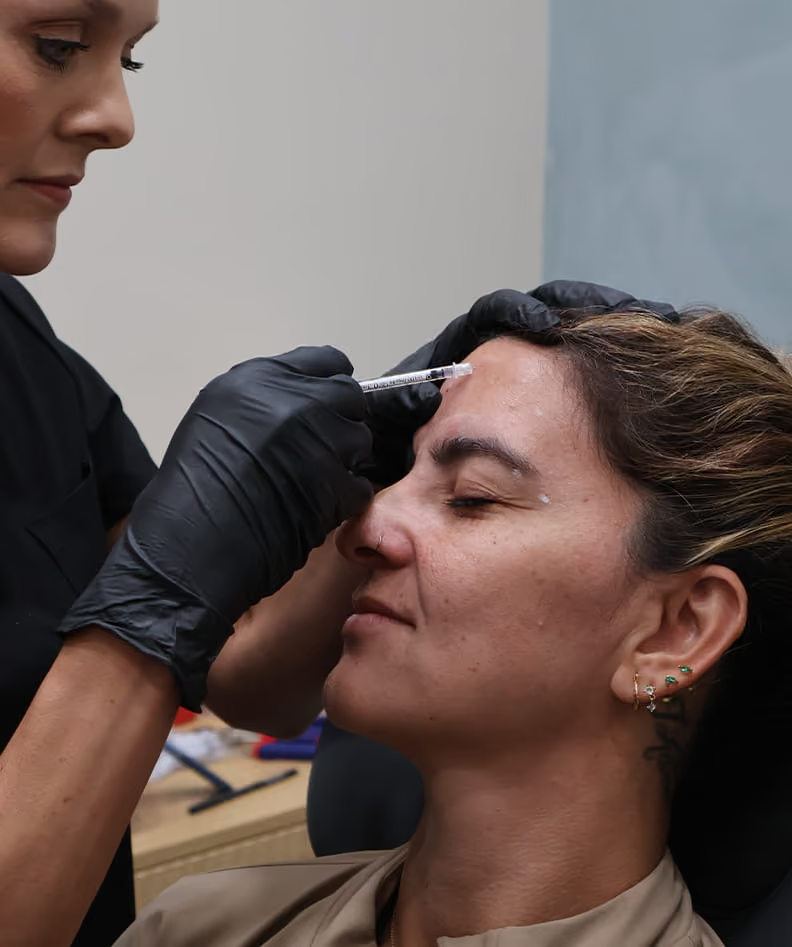
Neurotoxins
Neurotoxins relax the muscles that create expression lines, so the skin over them stays smoother. Results appear within a week or two and last three to four months, with no downtime.

Microneedling
Microneedling creates thousands of tiny controlled punctures in the skin, which triggers your body to produce new collagen. Over a series of sessions, texture smooths, scars soften and pores look smaller.

Melasma Treatments
Melasma is a stubborn form of pigmentation that shows up as brown or grey-brown patches, usually on the cheeks, forehead and upper lip. It needs a careful, layered approach, because treating it too aggressively can make it worse.
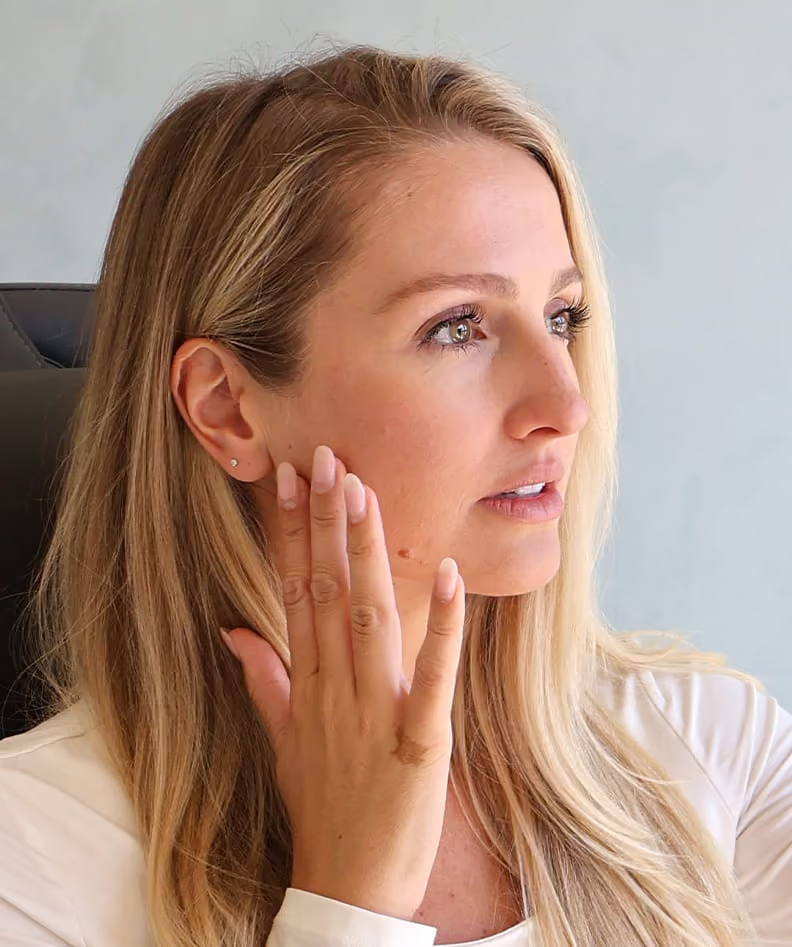
Skin Resurfacing
Skin resurfacing removes damaged outer layers of skin and stimulates new growth underneath. It's one of the most effective treatments for sun damage, deeper lines, acne scarring and rough texture, with results that last for years.
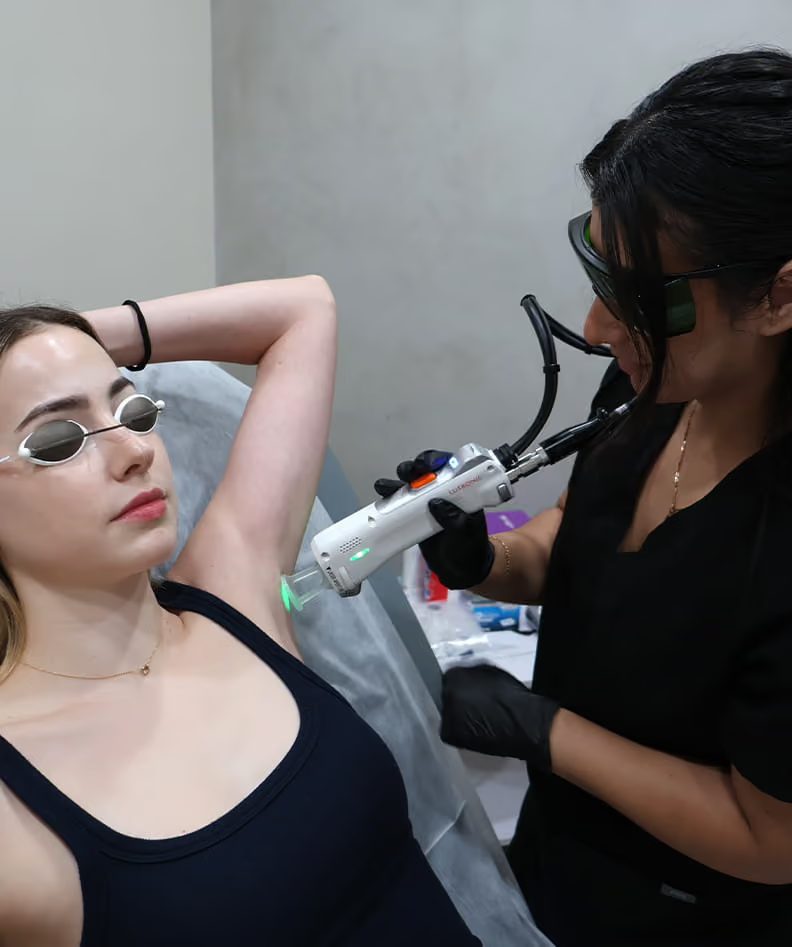
Laser Hair Removal
Laser hair removal uses targeted light to disable hair follicles at the root, reducing growth permanently over a series of sessions. It's a long-term alternative to shaving, waxing and the irritation that comes with both.
Any Questions?
How do I know which treatment I need?
You don't have to. Book a consultation, describe what's bothering you, and your provider will assess what's causing it and recommend the treatment that addresses it.
Can I have more than one facial treatment at the same time?
Often, yes. Neurotoxins and fillers are commonly done together, and other combinations can be planned a couple of weeks apart so each one works properly.
Will facial treatments make me look different?
The goal is to look like a rested version of yourself, not a different person. We favor conservative treatment and can always add more at a follow-up.
Which treatments have no downtime?
Neurotoxins, fillers, skin tightening and laser hair removal all let you return to your day immediately. Microneedling and resurfacing involve a few days of redness or peeling.
Are these treatments safe for darker skin tones?
Yes, with the right choices. Some laser treatments need careful settings on deeper skin, and your provider will select options that suit your skin tone.
How often should I come in?
It depends on the treatment. Neurotoxins are typically every three to four months, fillers every six months to two years, and skin treatments on a schedule your provider sets for your goals.
What Our Patients Say

Why Patients Stay With Swãe
Choosing a medspa usually comes down to whether you trust the person planning your care. At Swãe, that person is a licensed provider who has examined you in person, taken time to understand what you want to change, and explained the options before anything is booked. The result is care that feels considered rather than transactional.