
Skin Resurfacing
A Fresh Surface
Years of sun, acne and everyday wear leave marks in the skin's outer layers: rough texture, brown spots, fine and moderate wrinkles, and scars where the surface never quite healed evenly. Skin resurfacing treats all of that at once.
A laser removes or heats damaged skin in a precise, controlled way, and as the skin heals it replaces what was removed with fresh, smoother tissue while building new collagen underneath. Most modern resurfacing is fractional, meaning the laser treats a pattern of tiny columns and leaves surrounding skin untouched, which speeds healing considerably. The trade-off with resurfacing is a few days of downtime in exchange for a bigger change than gentler treatments can deliver.
At Swãe, we'll match the depth of treatment to your concern, your skin tone and how much recovery you can take on.
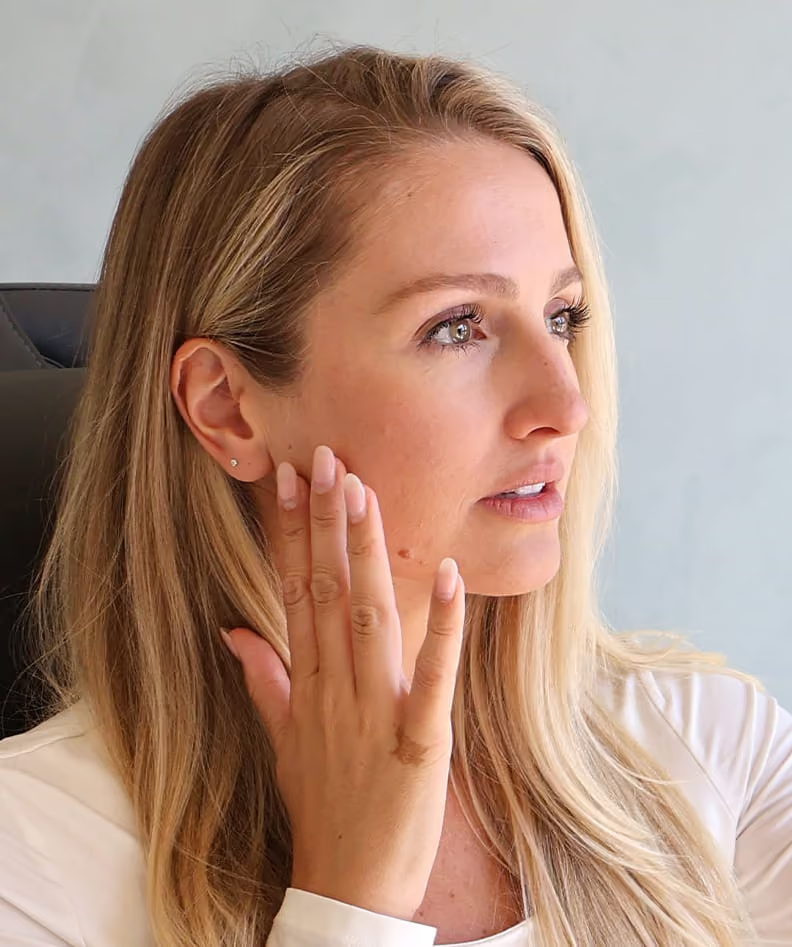
What Happens at a Resurfacing Appointment
Allow 60 to 90 minutes including numbing. Deeper treatments take longer and need more preparation.
Your provider examines your skin, discusses your goals and the level of downtime you can accept, and may start you on a skin care regimen a couple of weeks ahead to prepare the skin and reduce risk of pigmentation.
A strong topical anesthetic is applied for 30 to 45 minutes. For deeper treatments, additional numbing or cooling may be used.
The laser passes over the skin in sections. You'll feel heat and a prickling sensation, with cooling air or a chilled handpiece to keep it manageable. The treatment itself takes 20 to 40 minutes.
A healing ointment is applied and you'll leave with detailed instructions. We'll check in on your healing in the first week and schedule any further sessions once your skin has fully recovered.
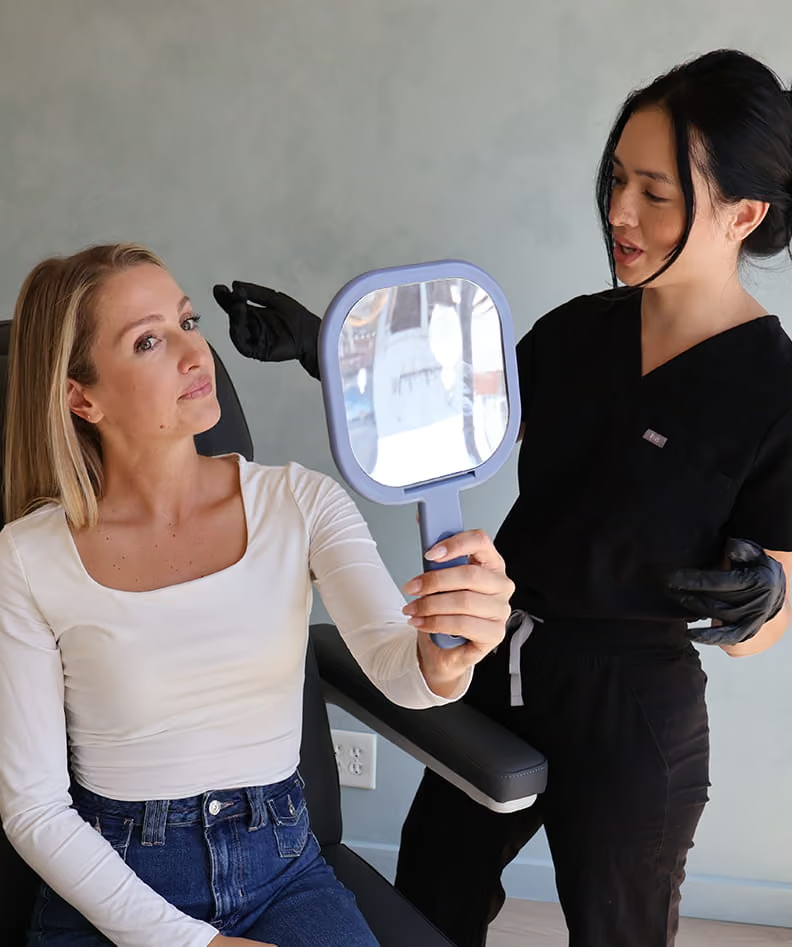
Is Skin Resurfacing Right for You?
Resurfacing is for people who want a meaningful change in their skin and are prepared for a short recovery to get it. You're likely a good candidate if:
- You have sun damage, brown spots or an uneven, blotchy tone
- Your fine lines have deepened into moderate wrinkles, especially around the eyes and mouth
- You have acne scars or other textural scarring
- Your skin feels rough, coarse or dull despite good home care
- You have enlarged pores or a thickened skin surface
- You can take three to seven days away from sun exposure and social commitments while your skin heals
Resurfacing carries a higher risk of pigmentation changes on darker skin tones, so your provider will choose the device and settings carefully or may recommend microneedling instead. It's also not suitable if you have active acne, a recent tan or have used isotretinoin in the past six to twelve months.
Why Patients Choose Skin Resurfacing
For sun damage and texture, resurfacing delivers more change in a single treatment than almost anything short of surgery.
Caring for Your Skin After Resurfacing
Aftercare matters more with resurfacing than with any other treatment. Your skin is healing in a controlled way, and how you look after it in the first week shapes your result.
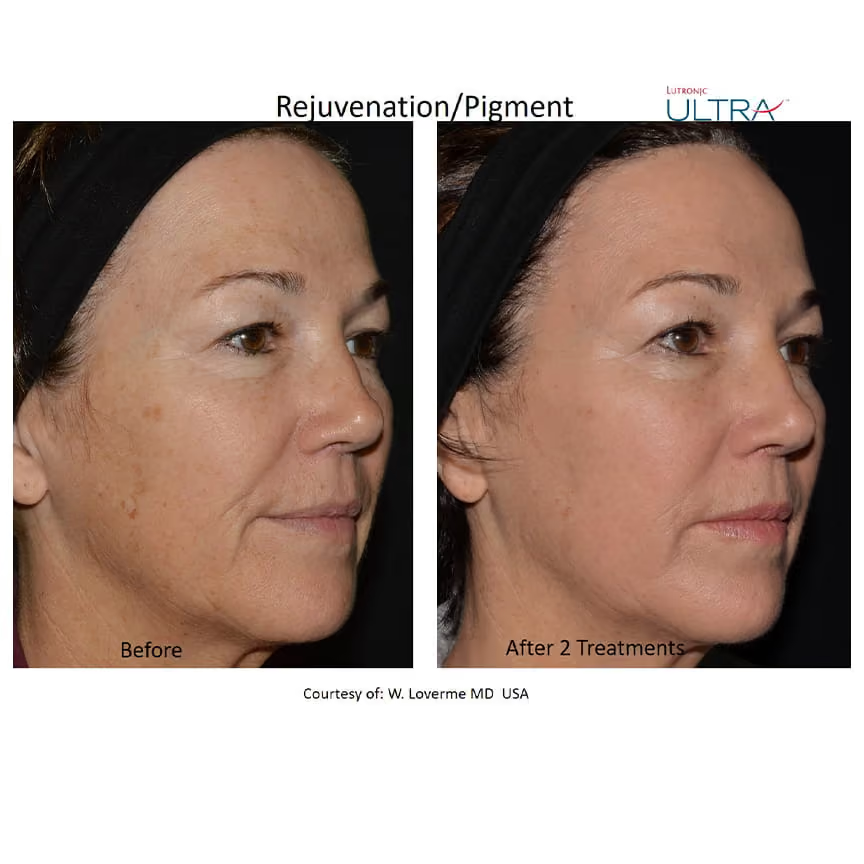
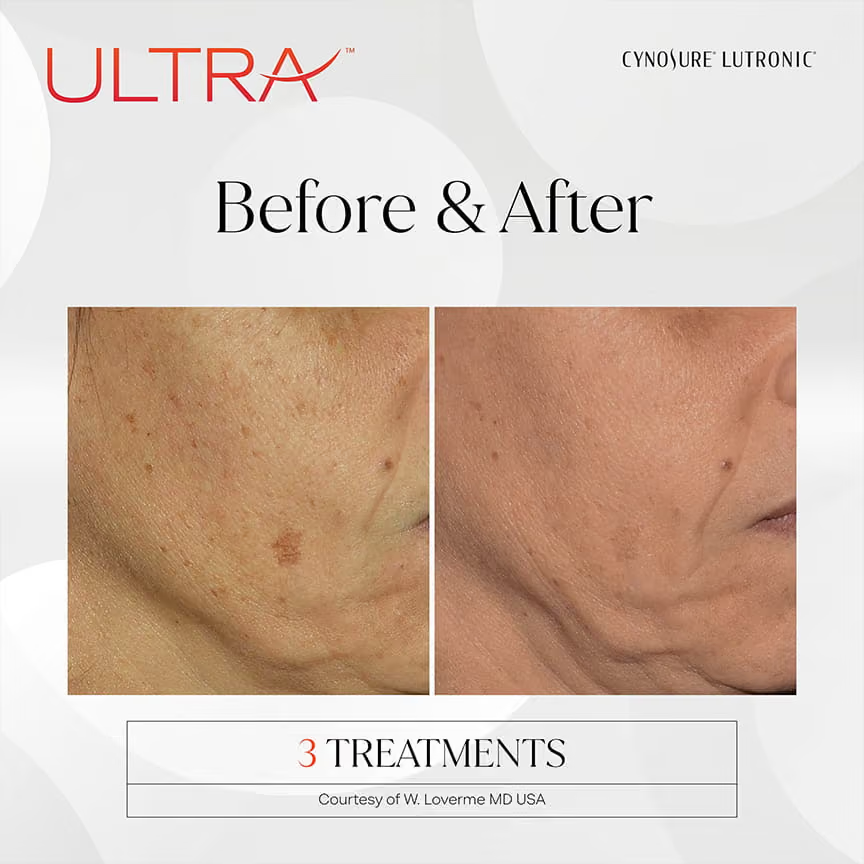
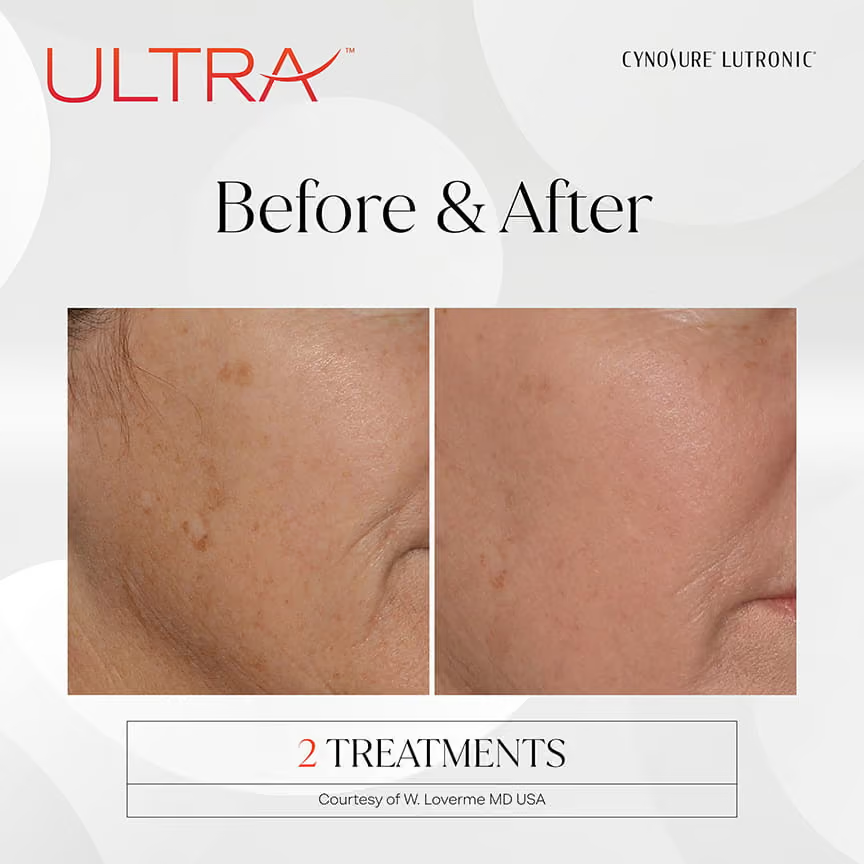
Before & After Results
Any Questions?
Does skin resurfacing hurt?
With numbing, most people describe heat and a prickling or snapping sensation rather than pain. Deeper treatments are more intense, and we use extra cooling and numbing for those.
How long is the recovery?
Light treatments involve two to three days of redness and light flaking. Deeper treatments take five to seven days of redness, swelling and peeling, with residual pinkness for a few weeks.
How many treatments will I need?
Light resurfacing often needs a series of three to five sessions. Deeper resurfacing may give the result you want in one or two.
When will I see results?
Your skin looks fresher as soon as it heals, at around one week. Texture and tone keep improving for three to six months as collagen rebuilds.
Is resurfacing safe for darker skin?
It can be, with the right device and conservative settings, but the risk of pigmentation changes is higher. Your provider may recommend microneedling or a gentler approach if it's safer for your skin.
How long do results last?
Several years, provided you protect your skin from the sun. A maintenance treatment every year or two helps keep results going.
What Our Patients Say

Why Patients Stay With Swãe
Choosing a medspa usually comes down to whether you trust the person planning your care. At Swãe, that person is a licensed provider who has examined you in person, taken time to understand what you want to change, and explained the options before anything is booked. The result is care that feels considered rather than transactional.