
Pigmentation and Sun Damage
Not All Dark Spots Are the Same
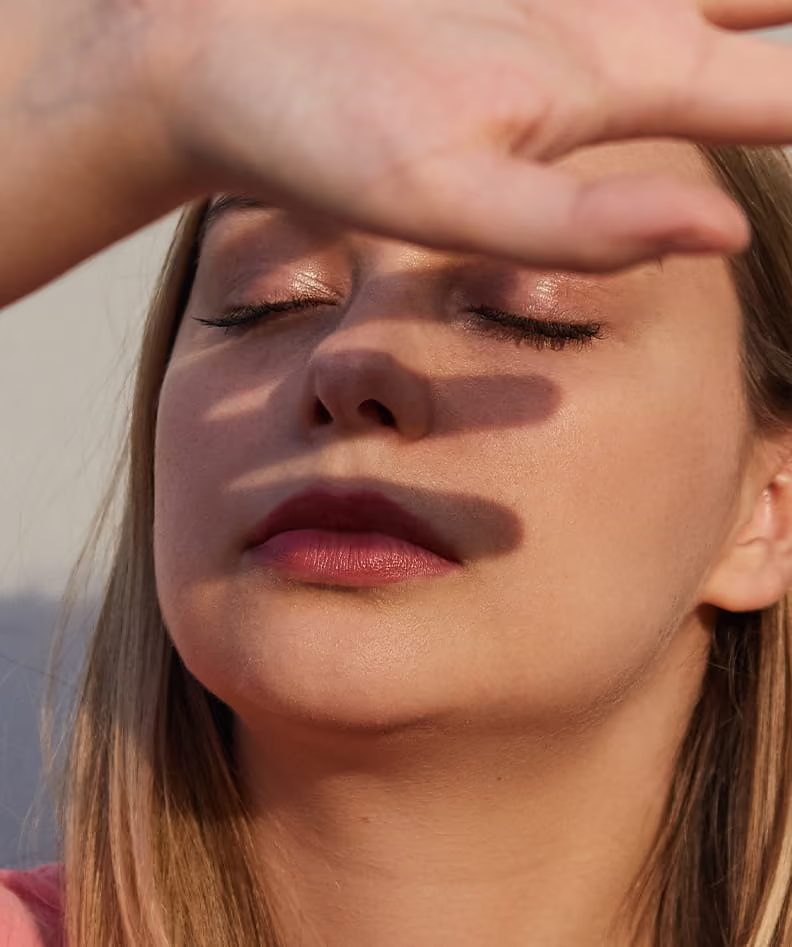
Pigmentation shows up in several forms. Sun spots are flat brown marks from years of UV exposure, most common on the face, chest and hands. Post-inflammatory marks are the dark spots acne or injury leaves behind. Melasma is a patchy, symmetrical pigmentation driven by hormones and heat as much as sun, and it behaves differently from the others. General sun damage shows as blotchy, uneven tone and a rough, dull surface.
The distinction matters because treatments that clear sun spots can make melasma worse. Resurfacing lifts away sun-damaged surface and evens tone. Microneedling with the right serums helps fade post-inflammatory marks. Melasma needs a gentler, layered approach that combines in-clinic treatments with pigment-suppressing home care and strict sun protection. At Swãe, we identify which type you have before recommending anything, and we take extra care with darker skin tones where pigmentation is easier to trigger.
Services That Treat Pigmentation and Sun Damage
The treatments below address discoloration from sun exposure, hormones and past breakouts, each with an approach suited to its cause. Your provider will identify what type of pigmentation you have and recommend the safest path to clearing it. Each service page explains how the treatment works, what to expect and how to protect your results.

Microneedling
Microneedling creates thousands of tiny controlled punctures in the skin, which triggers your body to produce new collagen. Over a series of sessions, texture smooths, scars soften and pores look smaller.
Melasma Treatments
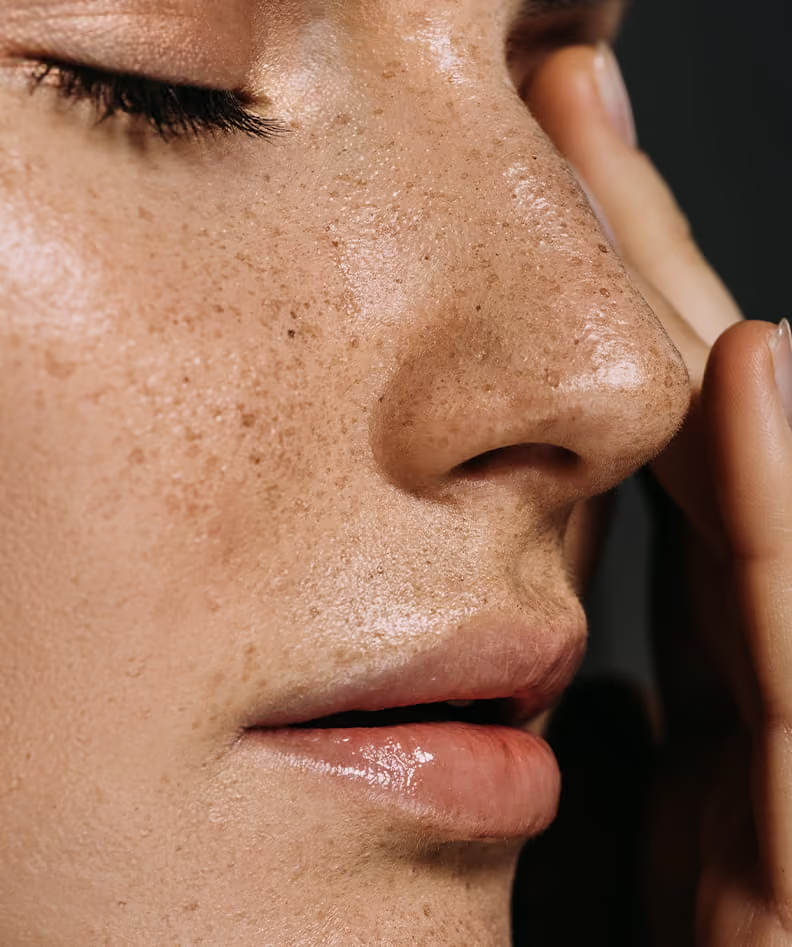
Melasma is a stubborn form of pigmentation that shows up as brown or grey-brown patches, usually on the cheeks, forehead and upper lip. It needs a careful, layered approach, because treating it too aggressively can make it worse.
Skin Resurfacing
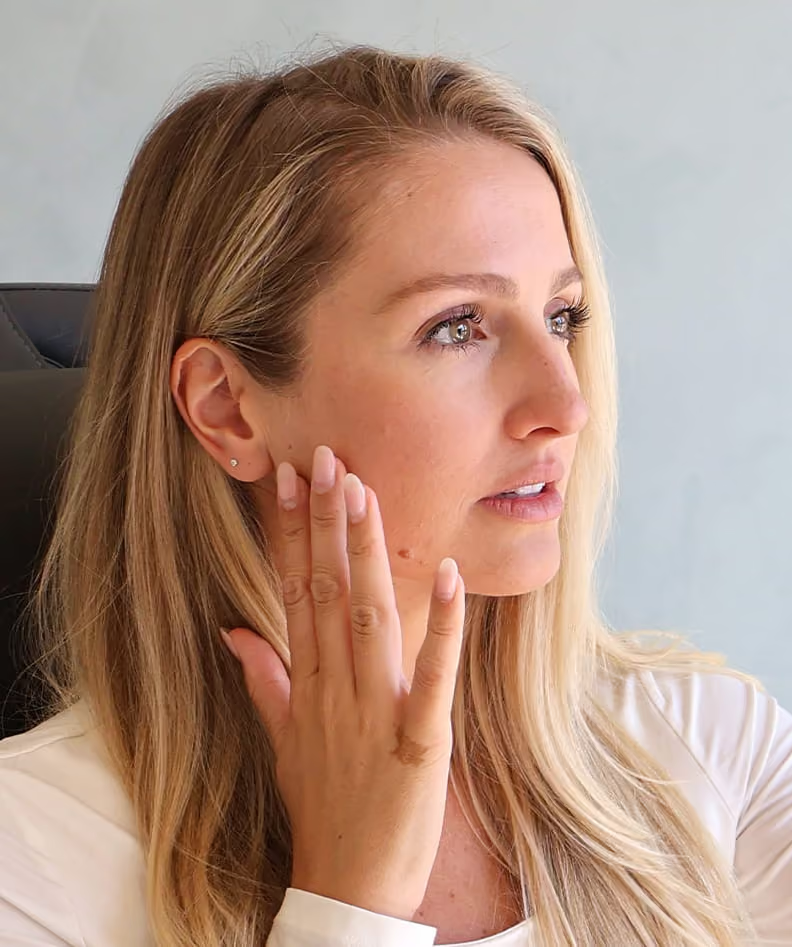
Skin resurfacing removes damaged outer layers of skin and stimulates new growth underneath. It's one of the most effective treatments for sun damage, deeper lines, acne scarring and rough texture, with results that last for years.
Any Questions?
How do I know if I have melasma or sun spots?
Melasma appears as symmetrical patches on the cheeks, forehead or upper lip and often worsens with heat and hormones. Sun spots are individual, defined marks. Your provider can tell the difference at a consultation.
Can pigmentation be permanently removed?
Sun spots and post-acne marks can usually be cleared fully. Melasma can be significantly faded and controlled but tends to return without ongoing care.
Why did my last treatment make my pigmentation worse?
Heat and irritation from aggressive treatments can trigger more pigment, especially with melasma or darker skin. We use gentler approaches where that risk exists.
Is treatment safe for darker skin tones?
Yes, with the right choices. Some lasers carry pigmentation risk on deeper skin, so we select treatments and settings carefully.
How long before I see results?
Sun spots often fade within a few weeks of treatment. Melasma and broader sun damage improve gradually over two to six months.
Will sunscreen alone fix it?
Sunscreen prevents pigmentation from worsening and is essential to every treatment plan, but it won't clear existing spots on its own.
What Our Patients Say

Why Patients Stay With Swãe
Choosing a medspa usually comes down to whether you trust the person planning your care. At Swãe, that person is a licensed provider who has examined you in person, taken time to understand what you want to change, and explained the options before anything is booked. The result is care that feels considered rather than transactional.