
Scalp
Understanding Hair Loss Before Treating It
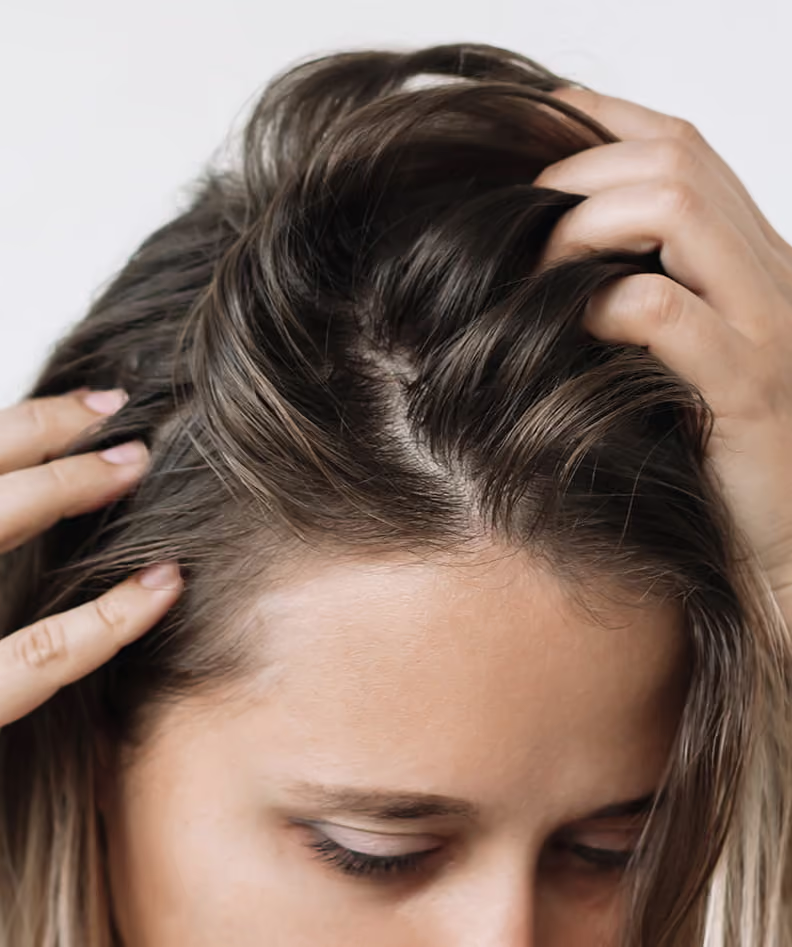
Hair loss has many causes, and they don't all respond to the same thing. Genetic and hormonal thinning gradually shrinks follicles over years. Stress, illness, childbirth and nutrient deficiencies cause sudden shedding that often recovers on its own but sometimes needs a push. Thyroid changes, certain medications and scalp conditions each have their own pattern. Treating without knowing the cause is why so many products disappoint.
At Swãe, scalp treatment begins with an assessment of the pattern and stage of thinning, your health history and, where useful, lab work. From there, we combine in-clinic treatments that stimulate follicles with at-home therapies that address the underlying cause. Results take months, because follicles grow slowly, and we'll be honest from the start about what's realistic for your stage of loss.
Services That Treat the Scalp
The treatments below are designed to stimulate follicles, slow further loss and support regrowth. Most work best in combination and as part of a program with regular review. Each service page explains how the treatment works, what a typical course looks like and when to expect results.
Hair Restoration
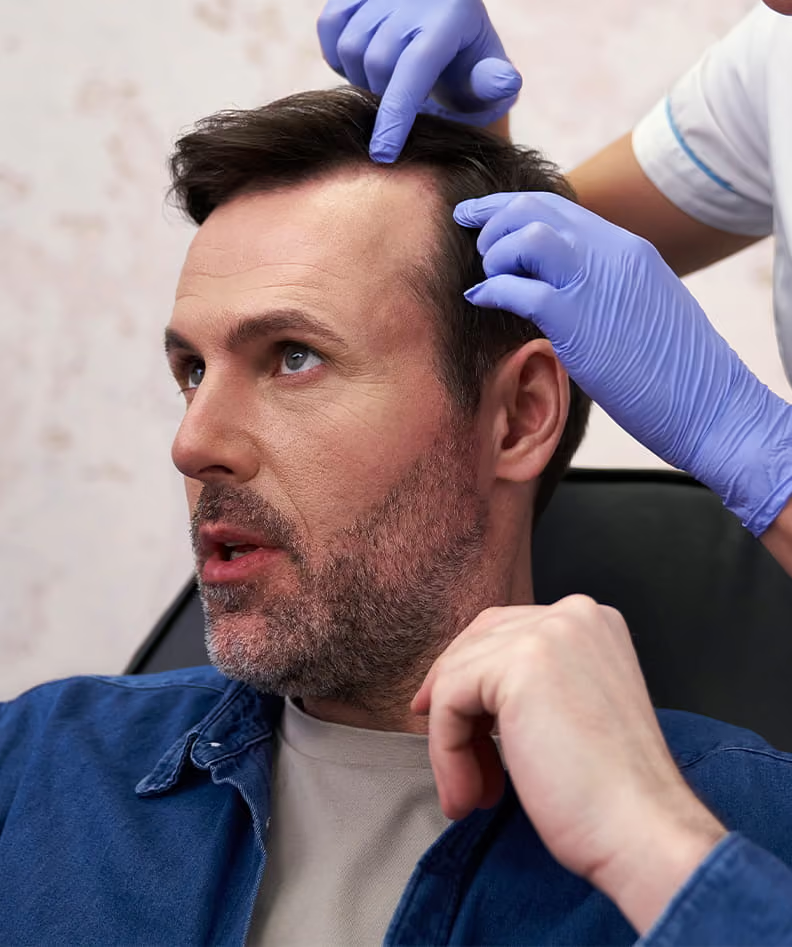
Hair restoration at Swãe uses non-surgical treatments to stimulate dormant follicles, slow further loss and encourage thicker regrowth. It works best in the early to moderate stages of thinning, when follicles are still alive.
Any Questions?
How do I know if my hair loss is normal?
Losing 50 to 100 hairs a day is normal. If you're noticing more scalp, a wider part, a smaller ponytail or clumps in the shower, it's worth an assessment.
Can hair loss be reversed?
Follicles that have shrunk but are still alive can be stimulated to regrow. Follicles that have fully closed can't, which is why early treatment matters.
Do treatments work for women?
Yes. Female pattern thinning and postpartum shedding both respond well to treatment.
How long before I see results?
Reduced shedding is usually the first sign at two to three months, with visible regrowth at three to six months.
Will I need to keep treating my scalp?
Usually yes, since most hair loss is progressive. Maintenance sessions and continued at-home care protect the gains you've made.
Is scalp treatment painful?
The scalp is numbed before in-clinic treatments, so you'll feel pressure rather than pain, with mild tenderness afterward.
What Our Patients Say
Why Patients Stay With Swãe
Choosing a medspa usually comes down to whether you trust the person planning your care. At Swãe, that person is a licensed provider who has examined you in person, taken time to understand what you want to change, and explained the options before anything is booked. The result is care that feels considered rather than transactional.